SOC 2 Compliance Checklist: Simple Steps to Pass Your First Audit
Robin Joseph
Senior Security Consultant
Last reviewed: September 2026.
This guide walks you through what actually matters for a first SOC 2 audit: choosing the right audit type, scoping it to your systems, closing control gaps, and staying compliant after you pass. There's no universal checklist that fits every organization, so treat the steps below as a framework to adapt, not a script to follow line by line.
Preparing for your first SOC 2 audit can feel overwhelming. SOC 2 is a voluntary framework developed by the AICPA, but in practice, it's often driven by buyer expectations: nearly 87% of customers won't work with companies they don't trust to protect their data. Customers and partners increasingly demand proof that your security controls aren't just documented, but actually working.
This guide cuts through the noise. It explains SOC 2 in practical terms, what it requires, how the five Trust Services Criteria apply, and what auditors actually look for. You'll also learn the difference between SOC 2 Type 1 and Type 2 audits, and how to prepare step by step without overcomplicating your security program.
Key Takeaways
- Go straight for Type 2 if you can. It's the stronger report enterprise buyers actually expect, and it avoids paying for two audits. Only start with Type 1 if you're under immediate pressure and don't have 6–12 months to spare.
- Scope tightly. Only include systems and criteria relevant to your services to reduce audit complexity and cost.
- Run a readiness assessment first. In our experience, this surfaces 60–70% of gaps before auditors arrive, saving weeks of remediation.
- Treat SOC 2 as ongoing. Continuous monitoring, quarterly access reviews, and annual policy refreshes keep you audit-ready year-round.
Want to work through the checklist itself, not just read about it? Use the free interactive SOC 2 readiness checklist, 47 controls across 8 sections, each mapped to a Trust Services Criterion with a literal evidence path. Assign owners, track progress, and export to CSV or PDF.
What Is a SOC 2 Compliance Checklist?
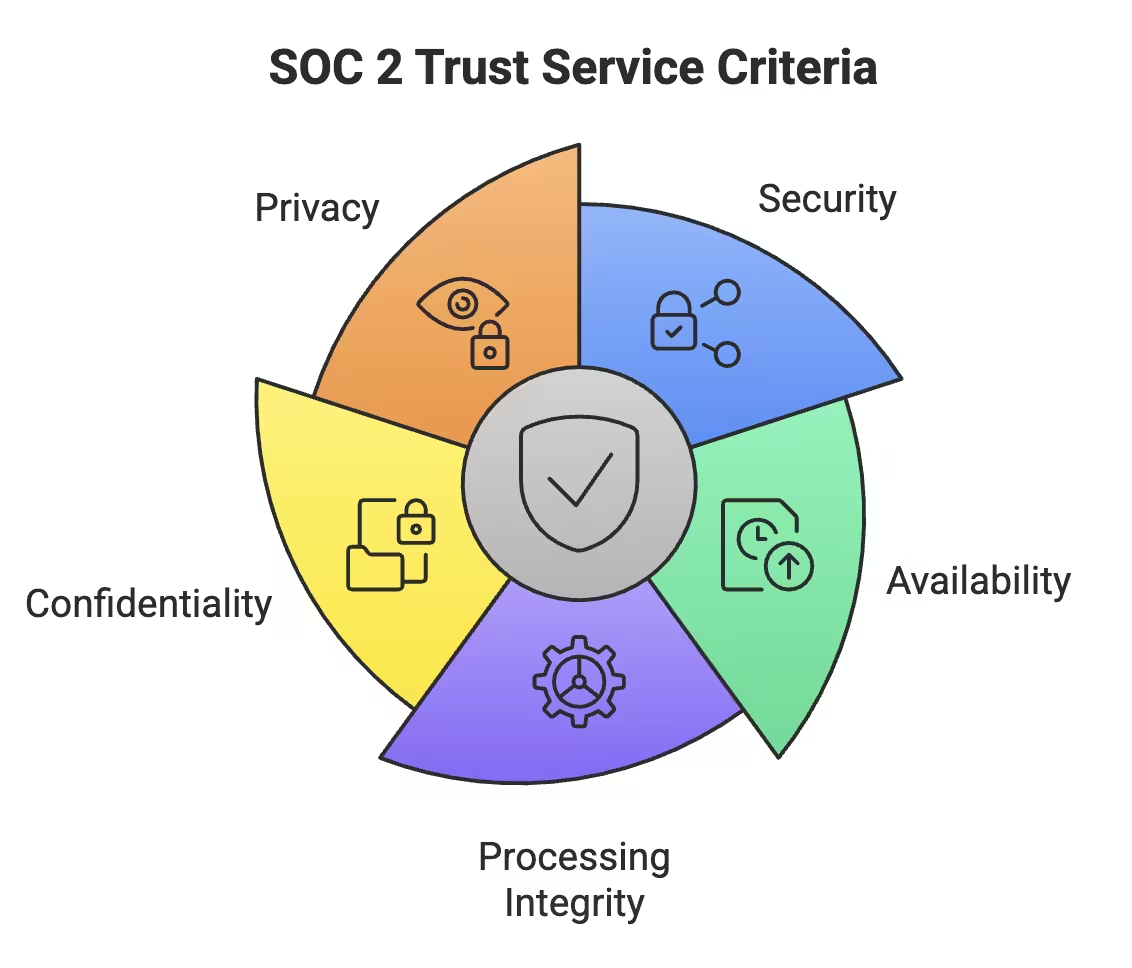
A SOC 2 compliance checklist is a practical roadmap that turns SOC 2 requirements into actionable steps. It ensures your organization meets the Trust Services Criteria, security, availability, processing integrity, confidentiality, and privacy, by guiding controls, policies, and processes.
The checklist covers access management, risk assessments, staff training, internal monitoring, and evidence collection. For first-time audits, it helps identify gaps before auditors arrive, assigns responsibilities across your team, and simplifies preparation for both Type 1 and Type 2 audits.
In short, it transforms compliance from a vague requirement into a clear, structured process that builds trust and credibility.
SOC 2 Trust Services Criteria
A SOC 2 compliance checklist is built around the Trust Services Criteria (TSC), five pillars that define auditable security practices. Security is mandatory, while Availability, Processing Integrity, Confidentiality, and Privacy are optional, depending on your services and client needs. Understanding these criteria helps you design controls that satisfy both auditors and customers.
Security (Common Criteria)
Security ensures systems are protected against unauthorized access and damage. Key points include:
- Implementing logical access controls like role-based permissions and multi-factor authentication
- Using firewalls, intrusion detection, and encryption
- Following secure software development and change management practices
- Monitoring and logging system activity
This ensures only authorized users access critical systems and builds a strong security foundation.
Availability
Availability measures system reliability and uptime. Organizations should:
- Maintain disaster recovery and business continuity plans
- Use redundant infrastructure and failover systems
- Monitor system performance
- Address incidents promptly
Reliable systems keep services running as promised, reducing disruptions and building trust.
Processing Integrity
Processing Integrity ensures accurate and timely data processing. Controls include:
- Transaction validation and automated checks
- Exception handling for errors
- Periodic reconciliation to verify accuracy
- Ensuring systems process data as intended
Accurate and consistent data processing strengthens operational confidence and audit readiness.
Confidentiality
Confidentiality protects sensitive business information. Organizations should:
- Classify and restrict access to critical data
- Encrypt sensitive information in transit and at rest
- Secure storage and disposal of confidential materials
- Train staff on handling sensitive information
Protecting sensitive data safeguards your business and maintains client trust.
Privacy
Privacy governs personal data management. Key points include:
- Clear privacy policies and consent mechanisms
- Procedures for collection, use, retention, and disposal of personal data
- Compliance with applicable regulations
- Staff awareness on handling personal information
Proper privacy practices show respect for personal data and reinforce credibility with clients.
By applying all five Trust Services Criteria, organizations can create a SOC 2 checklist that passes audits and strengthens overall security and trustworthiness.
SOC 2 Compliance Checklist: How to Prepare for Your First Audit
A generic checklist, applied blindly, can actually work against a good security program: bolting on controls that don't match how your organization actually operates creates busywork, not security. Treat what follows as a sequence, not a template, what you implement inside each step should be shaped by your systems, your data, and your customer commitments, not copied wholesale from someone else's audit.
Your SOC 2 audit preparation steps should follow this checklist:
- Choose the right SOC 2 audit type
- Define audit scope and Trust Services Criteria
- Conduct a readiness assessment
- Implement and remediate controls
- Prepare documentation and evidence
- Train teams and maintain compliance
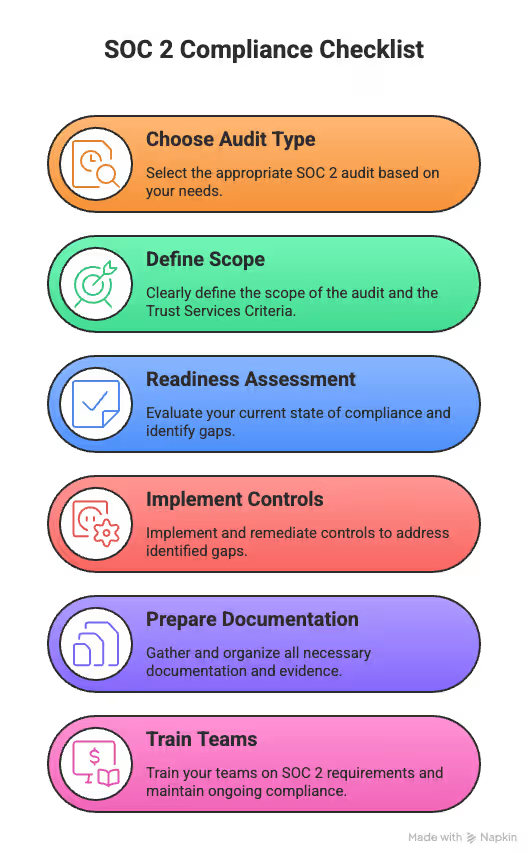
Each step builds on the previous one to create a clear, repeatable audit path.
1. Choose Your SOC 2 Audit Type
This decision sets your audit timeline. Choose between SOC 2 Type 1, which reviews control design at a point in time, and SOC 2 Type 2, which evaluates how controls perform over time.
- If you have the time, go straight for Type 2. It's the report most enterprise buyers actually expect, and starting there avoids paying for two separate audits.
- Choose Type 1 only if you're under immediate pressure, a deal is waiting on proof of compliance and you don't have 6–12 months to spare for a full Type 2 observation window.
A SOC 2 Type 1 audit can complete within a few months, while a SOC 2 Type 2 audit typically requires 6–12 months of operational evidence. Choosing the right type early, based on urgency rather than habit, prevents delays, misalignment, and unnecessary rework.
2. Define Audit Scope and Trust Services Criteria
Scope determines what auditors will examine and test.
- Identify the systems, applications, infrastructure, and data that support customer-facing services.
- Select applicable Trust Services Criteria, Security is mandatory, while the others depend on service commitments.
- Limit scope to relevant systems to reduce audit complexity, cost, and evidence volume.
Clear scoping keeps audits focused, efficient, and predictable.
3. Conduct a Readiness Assessment
A SOC 2 readiness checklist and readiness assessment reveal gaps before auditors do.
- Review existing controls, policies, and procedures currently in place.
- Map current practices against SOC 2 requirements to identify gaps as part of a SOC 2 gap assessment.
- Document gaps, risks, and missing evidence early to prioritize remediation.
In our experience, a thorough readiness assessment surfaces the majority of gaps before auditors arrive, saving weeks of last-minute remediation. Using a SOC 2 readiness checklist helps teams confirm that policies, controls, and documentation are in place before the formal audit begins.
4. Implement and Remediate Controls
Controls turn intent into execution.
- Address identified gaps by implementing new controls or improving existing ones.
- Focus on access management, risk management, logging, monitoring, and change control.
- Assign clear ownership for every control to ensure accountability.
Effective controls should be practical, repeatable, and consistently followed.
5. Prepare Documentation and Evidence
Documentation is what auditors validate.
- Prepare management assertions, system descriptions, and control matrices aligned with scope.
- Collect supporting evidence such as policies, logs, tickets, and reports.
- Organize evidence clearly to support efficient auditor review.
Strong documentation reduces audit friction and follow-ups.
6. Train Teams and Maintain Compliance
People and processes sustain SOC 2 compliance.
- Conduct security awareness and SOC 2-specific training across teams.
- Ensure employees understand their responsibilities within the control framework.
- Monitor controls continuously to remain audit-ready year-round.
Compliance becomes easier when it's built into daily operations.
A well-structured SOC 2 compliance checklist doesn't just help you pass your first audit, it builds a repeatable system that keeps your security program strong, credible, and ready for growth.
7. Vet and Monitor Third-Party Vendors
Auditors will examine how you manage third-party risk, especially vendors that access customer data or critical systems.
- Maintain an inventory of all vendors with access to sensitive data or infrastructure.
- Request and review each vendor's SOC 2 report or equivalent compliance documentation.
- Include security clauses and data protection requirements in contracts and SLAs.
- Conduct periodic vendor risk assessments and maintain records of onboarding and offboarding.
We recommend treating vendor management as an ongoing practice, not a one-time audit checkbox. Quarterly reviews help catch changes in vendor risk posture before auditors do.
8. Consider Compliance Automation Tools
Compliance automation platforms can streamline key parts of audit preparation, including evidence collection, control monitoring, policy templates, and readiness assessments.
However, SOC 2 compliance cannot be fully automated. These tools accelerate the process, but you still need documented policies, governance oversight, and human judgment to satisfy auditors. Evaluate any platform based on your tech stack, framework coverage (SOC 2, ISO 27001, HIPAA), and integration depth with your cloud provider and identity systems, not just how fast the sales team says you'll be ready.
This is where UprootSecurity fits in. Instead of bolting on a separate automation tool, UprootSecurity combines GRC and continuous compliance monitoring with real offensive security testing in one platform, so evidence collection, control monitoring, and audit readiness scale with your organization as it grows, saving time without asking you to trust a dashboard over your own judgment.
Benefits of SOC 2 Compliance
Achieving SOC 2 compliance goes beyond passing an audit. It's a tangible way to show your customers, partners, and stakeholders that your organization prioritizes security, operational excellence, and trust. Here are the key benefits of SOC 2 compliance:
Boosts Customer Trust
SOC 2 compliance signals that your organization takes data security seriously. Clients gain confidence knowing your systems and processes meet rigorous standards, making them more likely to engage and remain loyal.
Simplifies Due Diligence
Prospects often request detailed security questionnaires before doing business. A SOC 2 report streamlines this process, reducing back-and-forth, saving time, and eliminating unnecessary friction in sales cycles.
Strengthens Security Posture
The policies, controls, and procedures implemented for SOC 2 don't just satisfy auditors, they actively mitigate risks, improve monitoring, and enhance incident response, safeguarding sensitive information and business operations.
Supports Regulatory Compliance
SOC 2 aligns with industry best practices and frameworks, helping organizations meet various regulatory and contractual obligations. This reduces potential legal and financial exposure while reinforcing internal governance.
Protects Reputation
Security incidents can happen to anyone, but SOC 2 demonstrates that you have the right detection, response, and communication processes in place. This helps minimize reputational damage and maintain customer confidence.
Enables Growth Opportunities
Many enterprise clients and partners require SOC 2 compliance before engaging vendors. Achieving SOC 2 opens doors to new markets, contracts, and high-value partnerships, positioning your organization for scalable growth.
SOC 2 compliance isn't just a formality, it's a strategic investment in trust, security, and business credibility.
SOC 2 Audit Prep Best Practices
Preparing for a SOC 2 audit can feel overwhelming, especially for first-time organizations. The key is not just implementing controls but doing so in a structured, repeatable way that demonstrates operational maturity. Following best practices ensures a smoother audit process, reduces surprises, and maximizes the value of your SOC 2 compliance efforts.
Conduct a Comprehensive Readiness Assessment
Before auditors arrive, evaluate your current systems, processes, and controls. Identify gaps between existing practices and SOC 2 requirements. Document weaknesses and prioritize remediation to ensure your organization addresses the most critical issues first.
Define Clear Audit Scope and Criteria
Determine which systems, applications, and data fall under the audit. Select the relevant Trust Services Criteria, Security is mandatory, while Availability, Confidentiality, Processing Integrity, and Privacy depend on your services. A clear scope keeps the audit focused, reduces complexity, and prevents unnecessary evidence collection.
Implement Strong Controls and Assign Ownership
Ensure controls cover access management, change management, risk assessment, monitoring, and logging. Assign clear owners for each control so accountability is evident. Practical, repeatable, and consistently followed controls demonstrate operational effectiveness to auditors.
Prepare Documentation and Evidence in Advance
Collect management assertions, system descriptions, control matrices, policies, logs, and reports before the audit. Organized, easily accessible evidence speeds up auditor reviews and minimizes follow-up requests.
Train Your Teams on Roles and Responsibilities
Employees should understand their part in maintaining controls. Conduct regular security awareness training, emphasize compliance responsibilities, and simulate audit scenarios to prepare staff for auditor interactions.
Monitor and Review Continuously
SOC 2 compliance is not a one-time effort. Monitor controls, conduct internal audits, and update processes regularly. Continuous oversight ensures your organization remains audit-ready and can quickly respond to changes or incidents.
Following these best practices creates a structured, confident approach to SOC 2 audits, reducing stress and improving the likelihood of a smooth, successful outcome.
Managing and Maintaining SOC 2 Compliance
Passing your first SOC 2 audit is just the beginning. True compliance is continuous, requiring vigilance, preparation, and proactive practices. This section covers executing your audit effectively and embedding ongoing compliance routines so your organization stays secure, audit-ready, and trustworthy.
Work Effectively with Auditors
Your auditors are partners, not adversaries.
- Respond promptly and transparently to requests.
- Provide well-organized documentation and evidence.
- Clearly explain how controls operate in practice.
- Maintain open communication channels for clarifications.
Clear communication makes the audit smoother for everyone.
Avoid Common First-Time Audit Mistakes
Even well-prepared teams can stumble. Watch for:
- Underestimating evidence requirements.
- Overlooking team responsibilities.
- Providing incomplete or disorganized documentation.
- Misunderstanding control expectations.
Being aware keeps your team proactive and confident.
Handle Evidence and Documentation Strategically
Evidence validates your controls.
- Keep all policies, logs, tickets, and reports accessible.
- Align evidence clearly with the control matrix.
- Document remediation and updates concisely.
- Ensure completeness without overwhelming auditors.
Well-prepared evidence reduces follow-ups and accelerates audit completion.
Implement Continuous Monitoring
SOC 2 compliance requires constant oversight.
- Use automated tools to track access, system changes, and security events.
- Regularly review logs, alerts, and exceptions.
- Verify controls operate as intended, not just on paper.
Monitoring keeps your organization proactive and audit-ready.
Update Policies, Conduct Internal Audits, and Review Access
Staying compliant means keeping controls aligned with how your business actually operates.
- Refresh policies and procedures annually or when processes change.
- Run internal audits to assess control performance and emerging risks.
- Conduct quarterly access reviews to ensure proper permissions.
Consistent checks strengthen security and prepare for future audits.
Plan for the Next Audit Cycle
SOC 2 Type 2 reports typically last 12 months.
- Schedule renewal audits well before expiration.
- Maintain ongoing documentation and evidence collection.
- Treat each audit as an opportunity to refine processes.
Continuous improvement ensures long-term compliance and builds lasting trust.
Merging management and maintenance into a single structured approach helps your organization move confidently from first audit to ongoing compliance, reinforcing security, credibility, and readiness for growth.
Frequently Asked Questions
What's the difference between SOC 1, SOC 2, and SOC 3?
SOC 1, SOC 2, and SOC 3 are three different AICPA attestation reports built for different audiences. SOC 1 covers controls relevant to a customer's financial reporting (think payroll or payment processors). SOC 2, the focus of this checklist, reports on controls mapped to the five Trust Services Criteria (security, availability, processing integrity, confidentiality, and privacy) and is typically shared under NDA with prospects and customers. SOC 3 is a public-facing, less technical summary of a SOC 2 examination that you can publish on your website or trust page. Most SaaS companies need a SOC 2 report; SOC 3 is an optional, marketing-friendly companion.
How long does a SOC 2 audit take?
A SOC 2 Type 1 audit is usually completed within a few months, while a SOC 2 Type 2 audit covers a 6–12 month observation window before the report is issued. The biggest variables are your starting control maturity, the scope of Trust Services Criteria in play, and how quickly you remediate gaps surfaced in the readiness assessment. A thorough readiness assessment is the single biggest lever for shortening the timeline. For a full breakdown, see our guide on the SOC 2 audit process.
What's the difference between SOC 2 Type 1 and Type 2?
A Type 1 report reviews whether your controls are designed correctly on a single date. A Type 2 report tests whether those controls actually operated effectively over a window, usually 6 to 12 months. If you have the time, go straight for Type 2, it's what most enterprise buyers expect. Type 1 makes sense only when you're under immediate pressure and can't wait 6–12 months for a Type 2 observation period.
How much does a SOC 2 audit cost?
Total cost, including readiness work, audit fees, and internal time, usually falls between $10,000 and $100,000 depending on company size and scope. See our full cost breakdown for specifics.
Do I need a readiness assessment before my SOC 2 audit?
It's not mandatory, but skipping it is risky. A readiness assessment typically surfaces 60–70% of control gaps before auditors arrive, saving weeks of last-minute remediation and reducing the odds of a failed or delayed audit.
Can compliance automation tools fully handle SOC 2 for me?
No. These tools speed up evidence collection and monitoring, but SOC 2 still requires documented policies, governance oversight, and human judgment that auditors will check directly.
Wrapping Up Your SOC 2 Compliance Journey
SOC 2 compliance isn't just a checkbox, it's proof that your organization values security, trust, and operational maturity. Understanding the Trust Services Criteria, preparing a structured compliance checklist, and training your teams all contribute to a smoother, more confident audit experience. With a clear roadmap, even first-time audits become manageable rather than overwhelming.
Passing the audit is just the start. Embedding continuous monitoring, regular access reviews, policy updates, and internal audits ensures that compliance is maintained, not just achieved once. This proactive approach reduces risks, prevents gaps, and strengthens your organization's long-term reputation.
SOC 2 compliance also opens doors. It signals to customers and partners that you protect data seriously and operate with integrity. Following best practices, managing audits effectively, and maintaining continuous compliance allows your organization to navigate audits confidently while fostering trust and resilience in today's competitive business landscape.
SOC 2 isn't a destination, it's a journey of continuous improvement and credibility.
Build trust and prove your security with UprootSecurity, turning SOC 2 compliance into your strongest sales advantage.
→ Book a demo today
SOC 2